The grip detail most players get wrong
Most players spend the first six months of their tennis life choosing a grip and then stop thinking about it. The grip is fine. The way you actually use it, rally to rally and shot to shot, almost certainly is not.

Almost every serious club player, asked which grip they use on their forehand, will give a confident, accurate answer. Eastern. Semi-Western. Full Western. They picked it, or were told it, somewhere in their first year of playing, and they have not had a reason to think about it since.
This is, on its own, fine. The grip itself is not usually the problem. What a player does with it once a real rally starts almost certainly is.
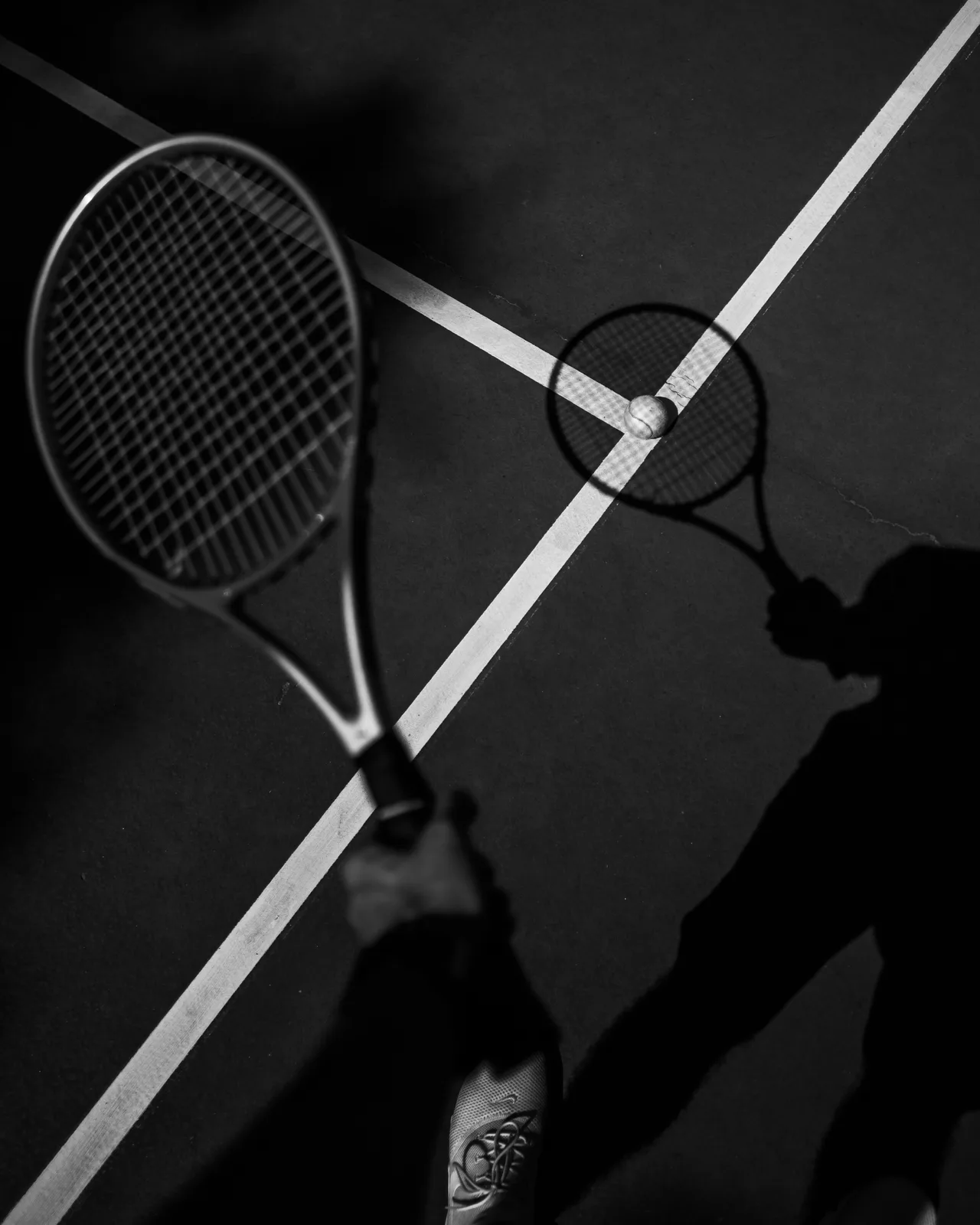
Why "which grip" is a less useful question than it sounds
Tennis instruction has, for decades, treated grip as a single up-front decision. Pick the right one, learn it, move on. Plenty has been written about Eastern versus Semi-Western, about which suits flatter players or higher bounces, about what the pro game has standardised around. All of it is true. Almost none of it explains what is going wrong in the rallies of the player asking the question.
The grip is a relatively narrow band of options. The way the hand actually sits on it during a real point is much wider, much less stable, and much more consequential. The technical literature has, for the most part, been answering the wrong question.
What is actually going wrong
Rick Macci, who has coached, among others, the Williams sisters, Roger Federer as a junior, Maria Sharapova and Andy Roddick, has taught for decades that the grip a player has chosen and the grip they are actually using mid-rally are not always the same thing. Four patterns, all of them invisible from the inside of the rally, all of them visible to anyone watching the hand.
The grip shifts subtly during the rally. A player picks up the racket between points with what they think of as their forehand grip. Two shots into a rally, after a wide ball that needed a scramble, the V of the hand has rotated half a bevel. The player does not notice. The shot feels off. They blame the swing.
The hand sits in the wrong place on the handle. Inches matter. A hand that has crept up the handle uses a shorter lever than the swing was timed for. A hand dropped to the very bottom uses a longer one the player has not built the strength to control. Most settle into a hand position by feel and never check it against video. By the time the drift matters, the ball is coming off differently and the player cannot say why.
Grip changes happen too late. Switching from forehand to backhand grip, or to a slice or volley grip, should happen during the unit turn, before the racket moves forward. Most club players do it later. Often during the swing itself. Sometimes not at all. The shot that follows is the right swing applied to the wrong grip, and the player almost never identifies the cause, because the change happened. Just too late to help.
The "correct" grip is not actually the one in use. Ask a player to demonstrate a Semi-Western grip. They show it cleanly. Now ask them to set up for a forehand and freeze at contact. The hand is often somewhere between Eastern and Semi-Western, the V on a different bevel than the one they just demonstrated. They believe they are using one grip. They are using another. That mismatch is the source of half the inconsistency they spend lessons trying to fix in the swing.
Why this is so hard to spot from the inside
The hand is the only part of the body a player cannot watch while using it for tennis. The eyes are on the ball. The attention is on the contact point. The grip is happening in peripheral perception, if at all. The grip, in other words, is the part of the swing that lives in the player's blind spot, and consequently the part they are most certain they understand. By the time the swing finishes and the player looks at the racket, the hand has often readjusted on its way to the next ready position, and whatever it was doing during the actual shot is gone.
Without an outside eye, the gap between the grip the player thinks they are using and the grip they are actually using stays exactly that. Invisible to them, obvious to everyone else, doing damage shot after shot.
This is a pattern-recognition problem
What makes the grip issue worth taking seriously is not that any single shot collapses because of it. Most don't. The shot that goes long because the hand drifted half a bevel looks like every other long shot. The volley that floats because the grip change came late looks like a player who is just bad at volleys.
Get a pro to look at your grip across a full session
If your forehand is breaking down in ways your swing work has not solved, the grip is the first place a touring pro will check. Not which grip you have chosen, but how consistently you actually hold it across the four or five different shot types in a normal rally. Upload a clip at allcourt.club/intake and a pro from the All Court network will watch your hand specifically: the V at contact, the position on the handle, the timing of grip changes, the consistency across different ball heights and speeds. Most players are surprised by what they see, because they have spent years confident their grip was the one part of their game they did not need to worry about.
Pick the grip carefully, once. Then spend the rest of your tennis life paying attention to how you actually use it. The first decision is the one most players obsess over. The second is the one that almost entirely determines whether the grip is actually doing the work it was chosen to do.
Related posts
Why you forget most of your tennis lessons